The Real Deal on Medical Cannabis Oil: What Patients Need to Know
When I first started looking into medical cannabis oil as a serious option for managing chronic pain, I was overwhelmed by the sheer volume of conflicting information. Some sources swore by high-THC distillate products, while others pushed full-spectrum extracts that preserve the whole cannabinoid profile. After years of personal experimentation and conversations with other patients, I have come to appreciate that the best choice depends entirely on your individual endocannabinoid system and what you are trying to treat.
What Makes Medical Cannabis Oil Different
Medical cannabis oil is not the same as the cheap vape cartridges you might find at a gas station. A quality oil is typically a concentrated extract made from cannabis sativa or an indica strain, processed to retain the plant's beneficial compounds. The extraction method matters a lot. CO2 extraction, for example, uses pressurized carbon dioxide to pull cannabinoids and terpenes from the plant material without leaving behind chemical solvents. The result is a cleaner oil that tastes closer to the original plant.
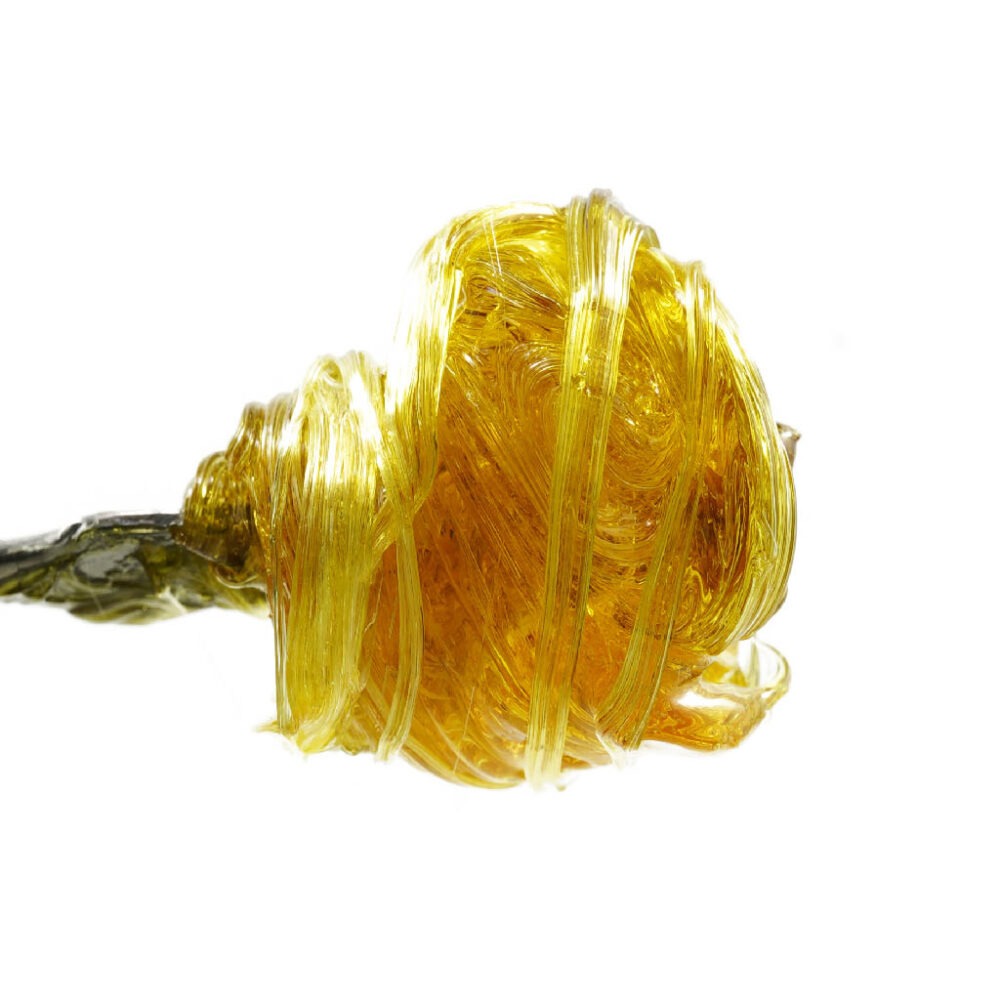
Solventless concentrates are another option. These avoid any chemical solvents entirely, using only heat and pressure to separate the oil from the plant. Many patients I know prefer solventless products because they feel the entourage effect is more pronounced when nothing has been stripped away. The entourage effect is the idea that the various cannabinoids and terpenes work together synergistically, producing a more nuanced therapeutic result than any single compound could alone.
Delta 8 vs. Delta 9: Two Different Experiences
One of the most important distinctions in medical cannabis oil is the difference between Delta 8 and Delta 9. Delta 9 is the classic psychoactive cannabinoid that most people associate with the feeling of being high. It binds strongly to CB1 receptors in the brain and can produce significant pain relief, but it also comes with side effects like anxiety and paranoia for some users. Delta 8, on the other hand, has a slightly different molecular structure that makes it less potent in terms of psychoactivity while still offering meaningful therapeutic benefits. Many patients who cannot tolerate Delta 9 find Delta 8 to be a gentler alternative that still addresses their symptoms.
I have seen people use a Delta 8 distillate for daytime anxiety and a Delta 9 product for nighttime pain. The trick is understanding your own tolerance and the specific cannabinoid profile of the oil you are buying. A reputable online dispensary like Kush Station provides detailed third-party lab test results for their products, which show you exactly how much Delta 8, Delta 9, and other cannabinoids are present. That transparency is crucial for patients who need consistency.
The Role of Decarboxylation and Bioavailability
Raw cannabis oil contains mostly THCA, the acidic form of THC that is not psychoactive. To activate the THC, the oil must undergo decarboxylation, which typically happens when the oil is heated. This is why many medical cannabis oils are sold as a tincture that you take under the tongue or add to food. The heat from your body or from cooking converts the THCA into active THC.
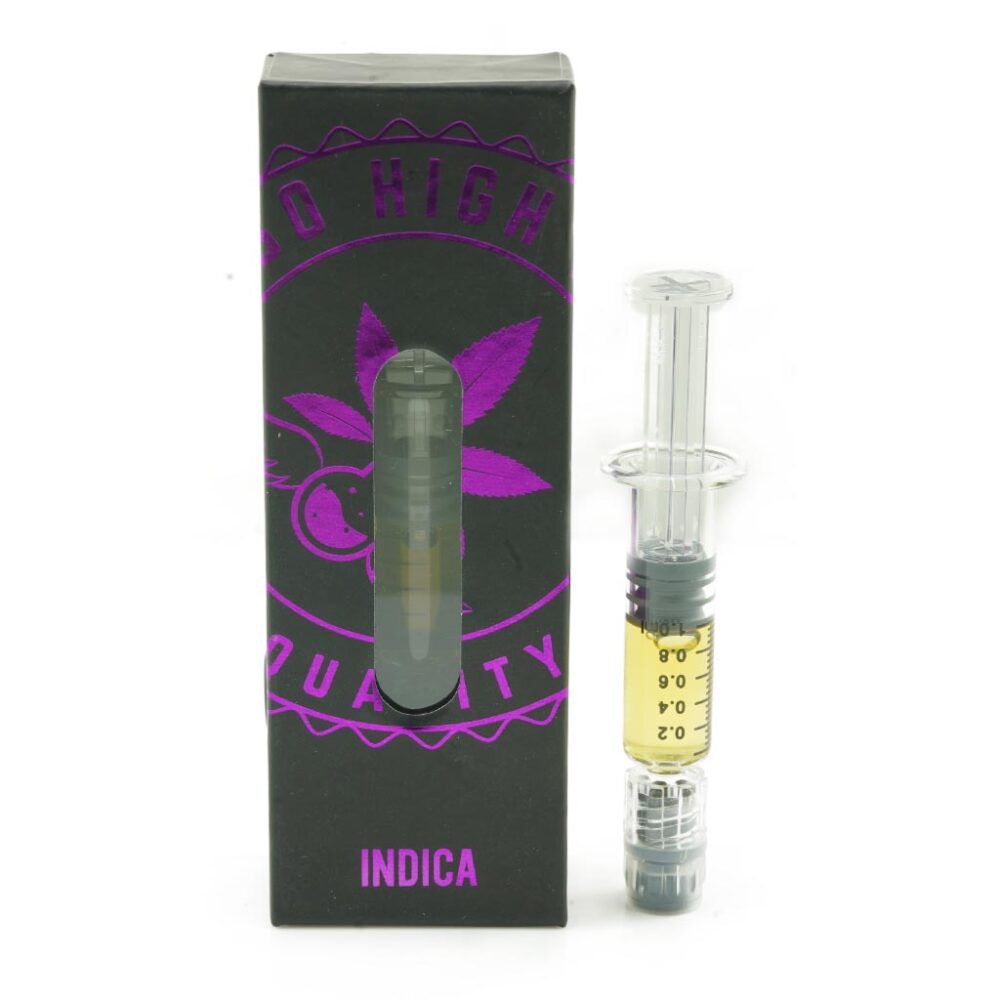
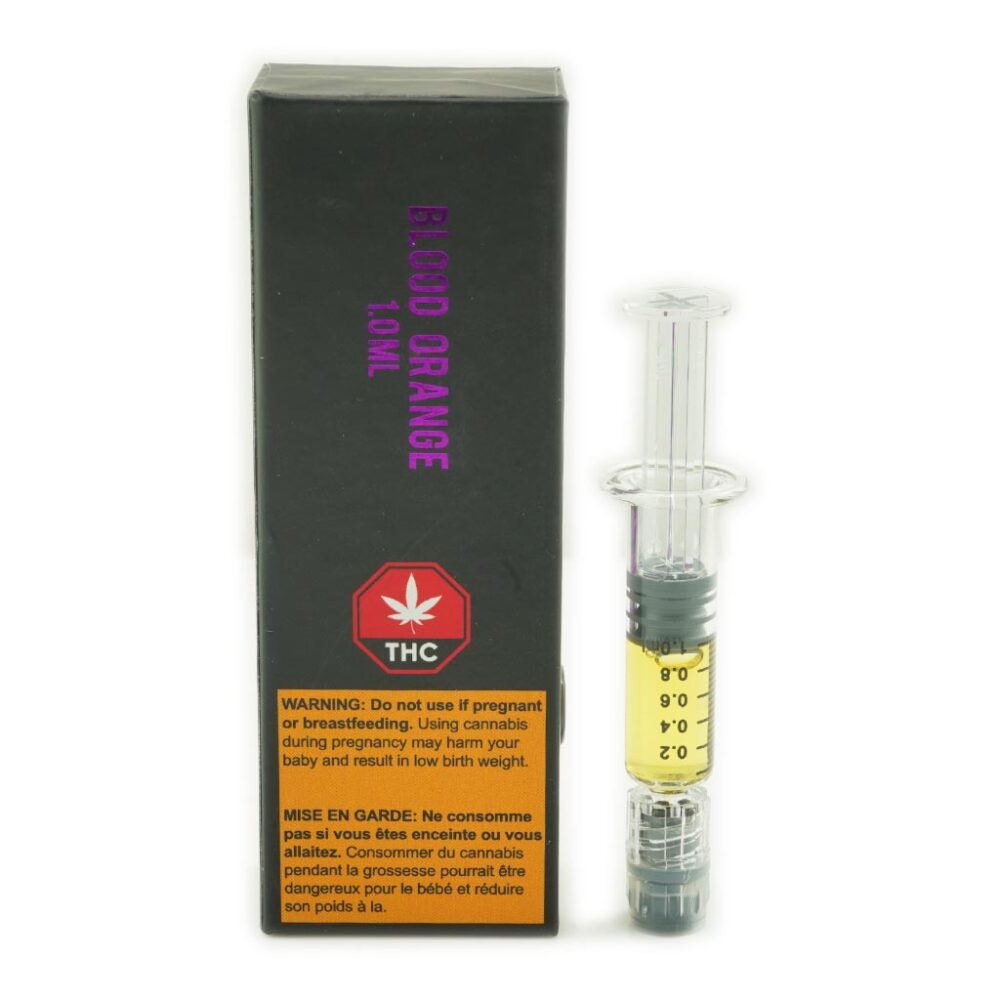
Bioavailability is another major factor. If you swallow the oil, it passes through your liver, which breaks down a large portion of the cannabinoids before they reach your bloodstream. That is why many patients prefer a dosage dropper that lets them place the oil under their tongue. Sublingual absorption allows the cannabinoids to enter the blood directly, bypassing the liver. The effect comes on faster and you need less oil to achieve the same result.
I have personally found that a full-spectrum extract works better for my chronic joint pain than a pure Delta 9 distillate. The presence of minor cannabinoids and terpenes seems to modulate the experience, reducing the anxiety I sometimes get from high-Delta 9 products. It is a classic example of the entourage effect in action.
Rick Simpson Oil: A Patient's Blueprint
One of the most famous medical cannabis oils is Rick Simpson Oil, named after a patient who used a homemade hemp-derived oil to manage pain from a severe accident. Simpson's recipe is essentially a decarboxylated full-spectrum extract made from a high-THC strain. He blended the oil with a carrier fat to improve absorption and took it orally in small, measured doses. His story has inspired many patients to try similar approaches, although the availability of professionally made oils has made the process much easier.
If you are considering making your own medical cannabis oil, you need to be careful about decarboxylation temperatures. Too much heat destroys the cannabinoids. Too little heat leaves the oil inactive. A slow, low-temperature infusion in a slow cooker or double boiler is the standard method. But for most people, buying a tested product from a trusted source is safer and more reliable.
What to Look for in a Quality Product
When shopping for medical cannabis oil, keep these points in mind:
- Always check the third-party lab test. It should show the cannabinoid profile and confirm that the oil is hemp-derived or from cannabis sativa, depending on your region's laws.
- Look for a product that lists the extraction method. CO2 extraction and solventless concentrates are generally cleaner than products made with chemical solvents.
- Consider the ratio of Delta 8 to Delta 9. If you are new to cannabis, a balanced oil with more Delta 8 may be easier to tolerate.
- Pay attention to the carrier oil. MCT oil, olive oil, or hemp seed oil are common. Avoid anything with artificial additives.
- Start with a low dose using the dosage dropper and increase slowly. The effects can take an hour or more to peak when taken orally.
I have bought from Kush Station before and appreciated that their product pages include detailed lab results and clear information about the cannabinoid profile. An online dispensary that prioritizes education and transparency makes a huge difference for patients who are still learning what works for them.
Common Misconceptions About Medical Cannabis Oil
One myth I hear frequently is that medical cannabis oil will always get you high. That depends entirely on the Delta 9 content. A hemp-derived oil that is rich in CBD and low in Delta 9 will not produce a strong psychoactive effect. Another misconception is that all oils are the same. In reality, the difference between a crude extract and a carefully made full-spectrum extract is night and day. The terpenes and minor cannabinoids in a full-spectrum product contribute to the entourage effect, which can change the therapeutic outcome dramatically.
Some patients also assume that a higher THC percentage automatically means better medicine. That is not always true. A balanced cannabinoid profile often delivers more consistent relief with fewer side effects. I have seen people switch from a high-Delta 9 distillate to a more balanced oil and report better sleep and less daytime grogginess.
Final Thoughts on Finding Your Fit
Choosing a medical cannabis oil is a personal journey. What works for your friend may not work for you, and that is okay. Start with a full-spectrum extract from a reputable source, use the dosage dropper to find your minimum effective dose, and keep notes on how different cannabinoid profiles affect your symptoms. The endocannabinoid system is unique to each person, so there is no one-size-fits-all answer.
The growing availability of tested, transparent products from online dispensaries has made it easier than ever to experiment safely. Whether you prefer a solventless concentrate or a CO2-extracted oil, the key is to pay attention to the details and listen to your body.
Corrections
Spot something wrong? Send it to the desk and it gets fixed in the open.